Wulin Commercial District

Background

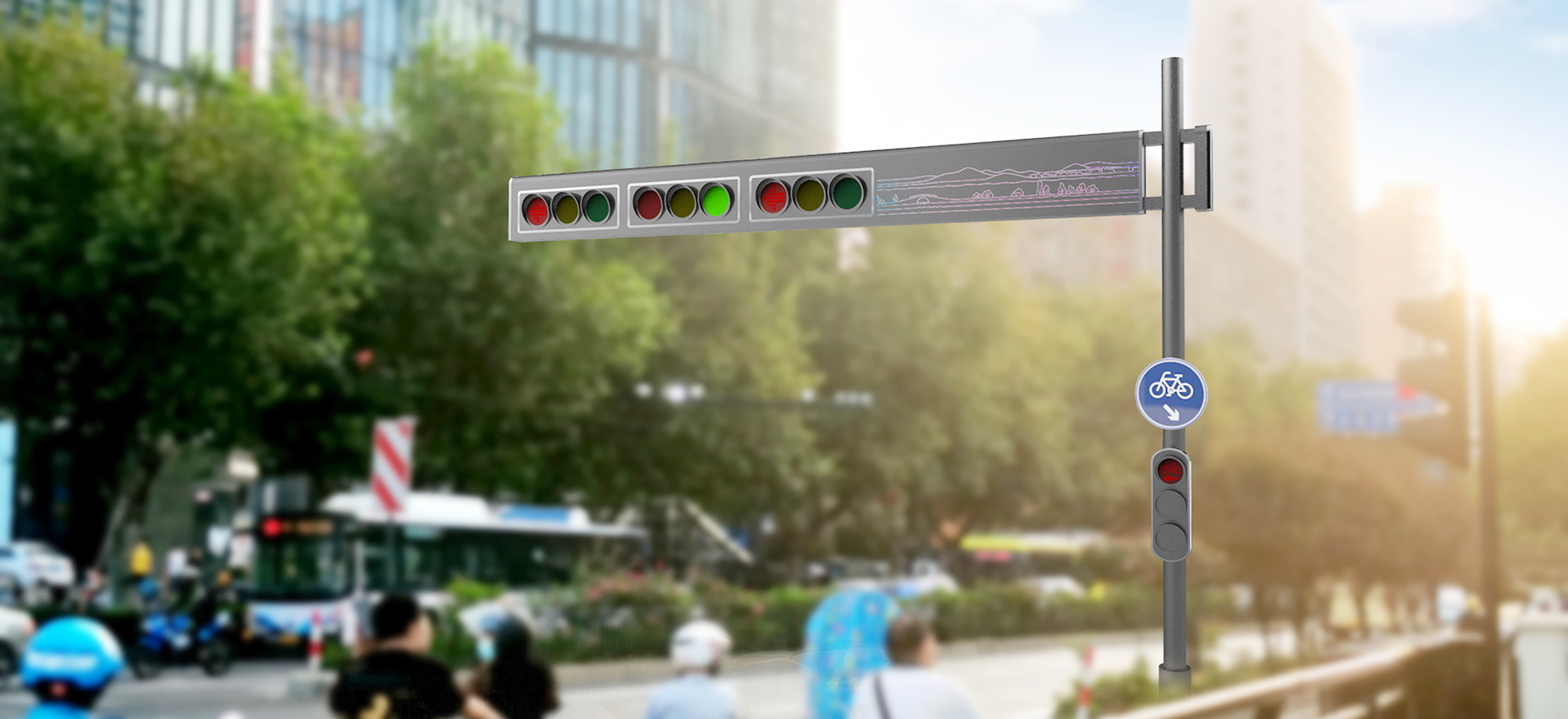
Project Background As a core commercial area of Hangzhou, the Wulin commercial district sees over 200,000 visitors daily, with frequent vehicle traffic. In such a high-density environment, traditional management methods face three major challenges: safety hazards from oncoming vehicles at intersections, low efficiency in guiding tourists, and insufficient waste management capabilities. These issues collectively restrict the service quality and development potential of the commercial district, urgently requiring a smart and comprehensive management solution.
Challenges

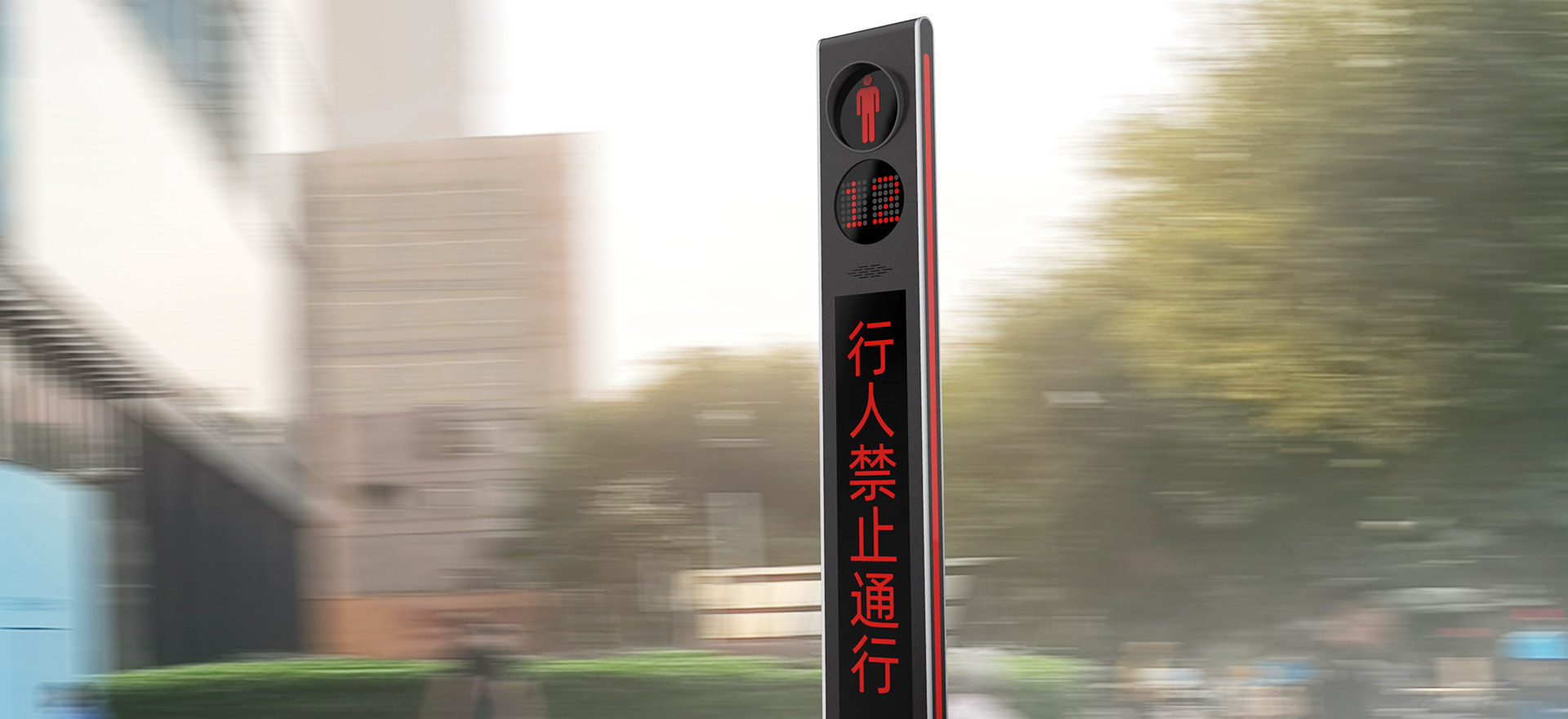
The Commercial District faces a triple dilemma: blind spots exist at major intersections, increasing the risk of traffic accidents due to oncoming vehicles traveling at high speeds; traditional signage is ineffective in dense pedestrian traffic, making it difficult for tourists to quickly locate their destinations; and the large volume of waste generated during peak hours easily overflows with traditional collection methods, affecting the district's environmental hygiene. These issues directly impact the safe operation of the commercial district and the consumer experience.

Solution

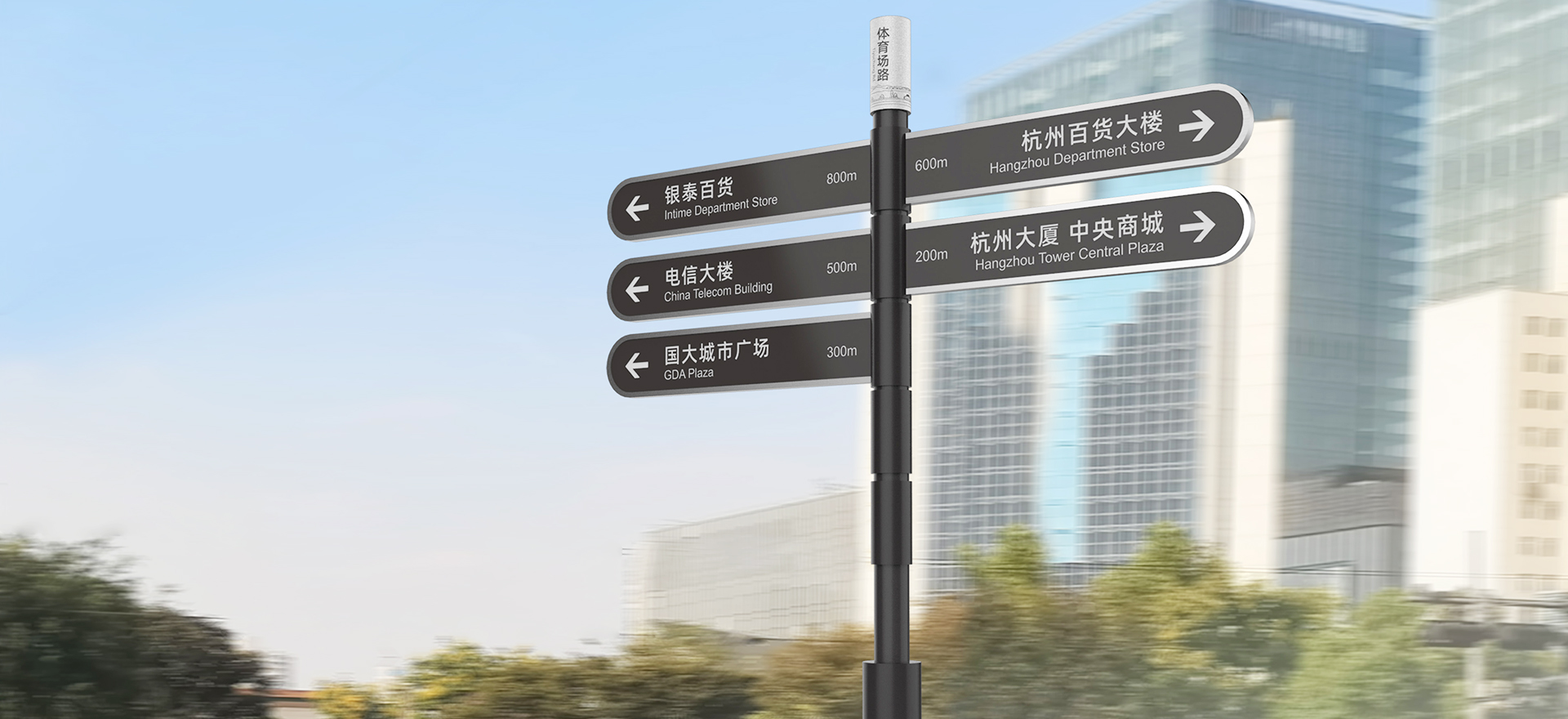
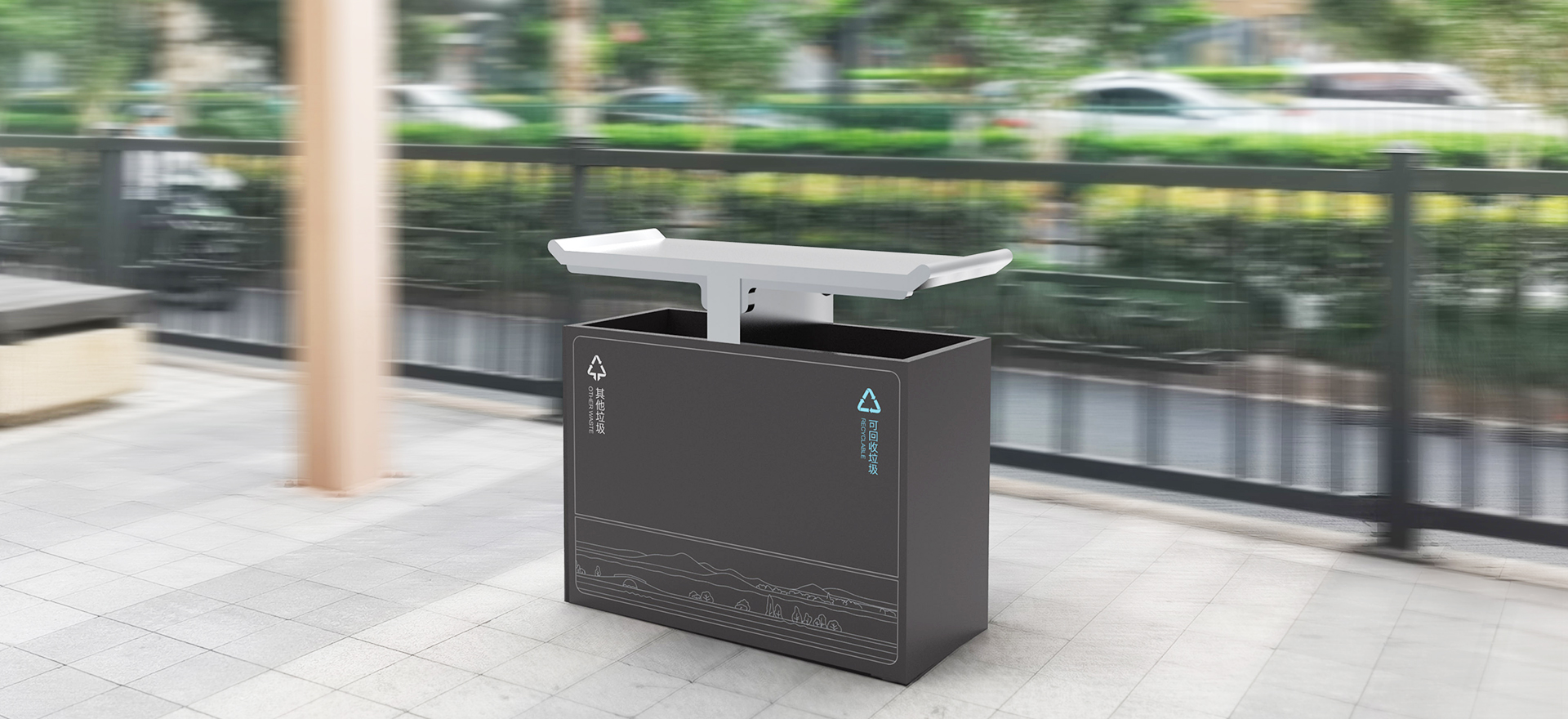
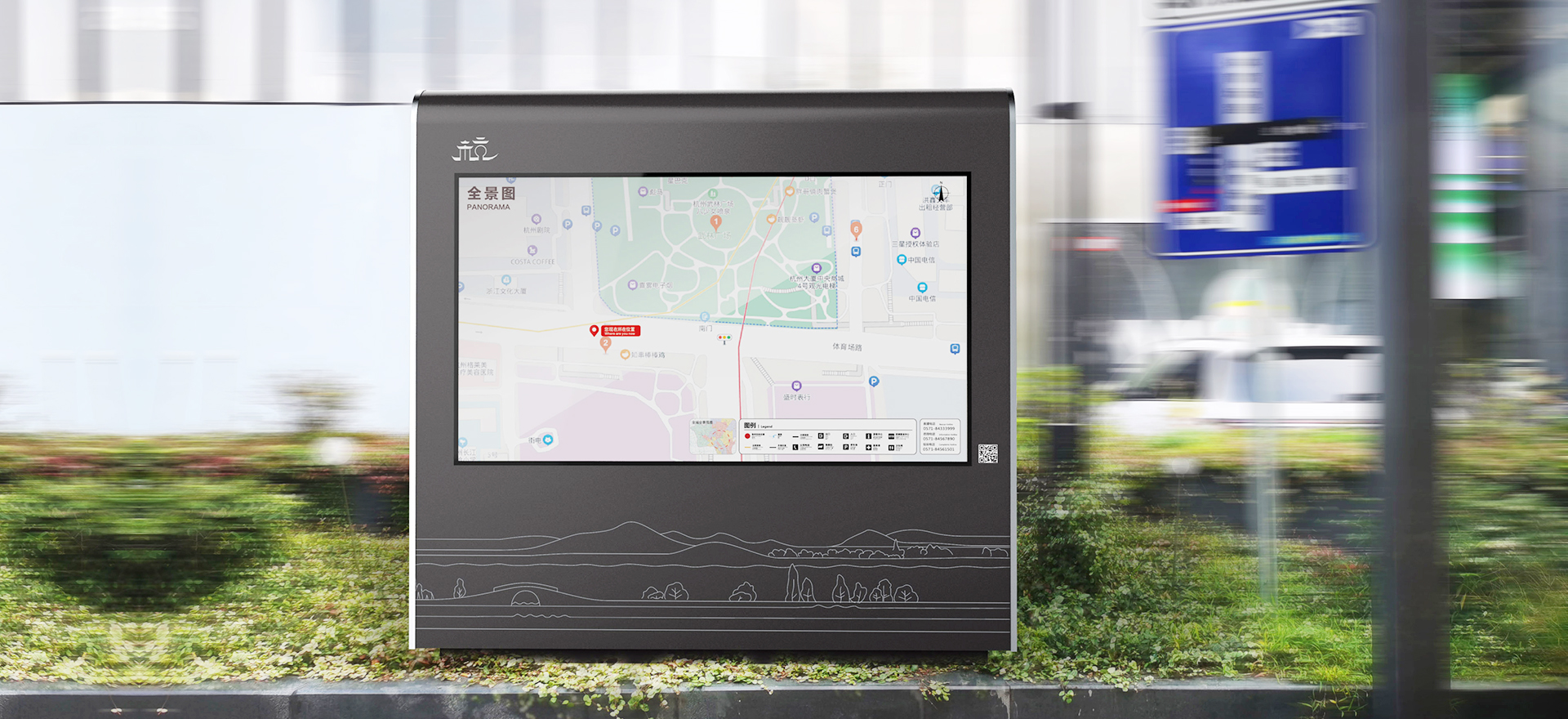
We implemented a three-pronged smart management solution: an intelligent safety early warning system equipped with speed radar and LED warning screens at key intersections to monitor the speed of oncoming vehicles in real time and issue timely warnings; a multimedia intelligent navigation system providing accurate shop navigation and event information push; and a smart waste management system equipped with overflow monitoring and automatic scheduling functions. The three systems are interconnected through a unified platform.

Benefits

This solution achieved a comprehensive improvement in the management of the business district: the incidence of traffic accidents at intersections was significantly reduced, and pedestrian safety was significantly enhanced; visitor navigation efficiency was improved, and the consumer experience was significantly improved; waste disposal achieved precise scheduling, and environmental sanitation scores were improved. The synergistic effect between the systems provided data support for the operation of the business district, successfully creating a new paradigm for smart commercial district management.
Complete the security verification